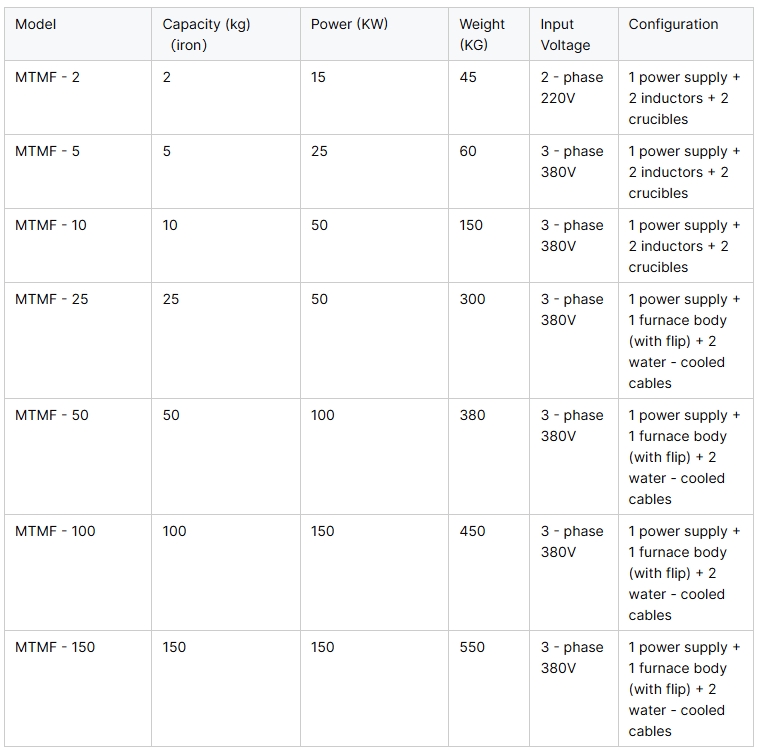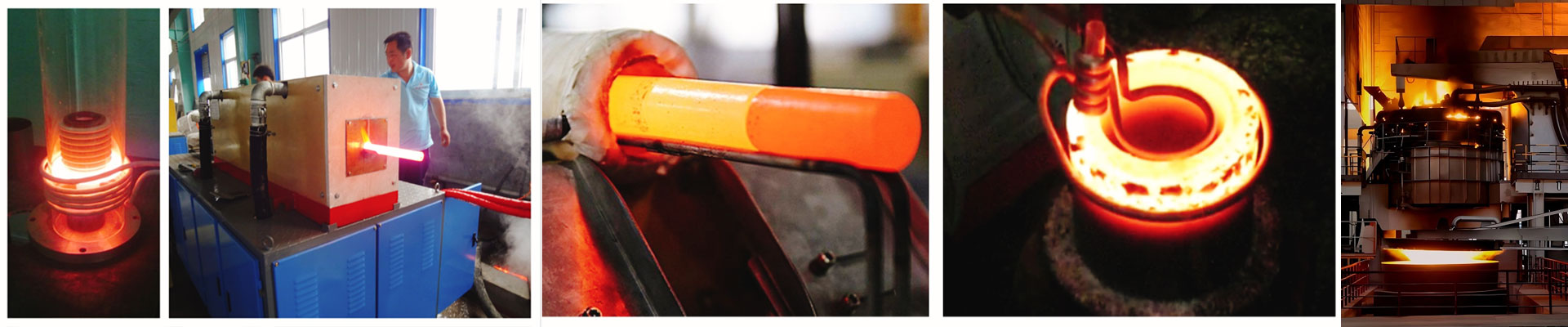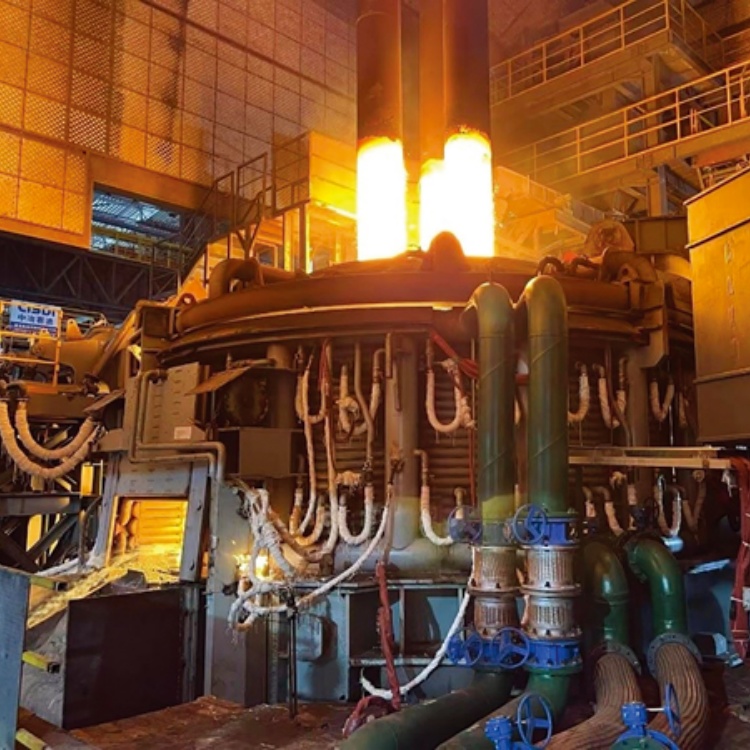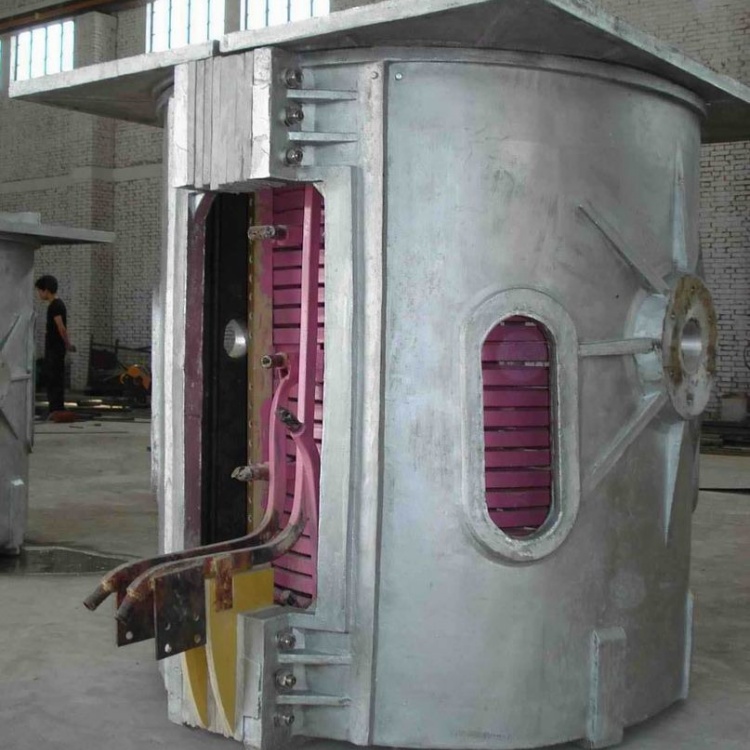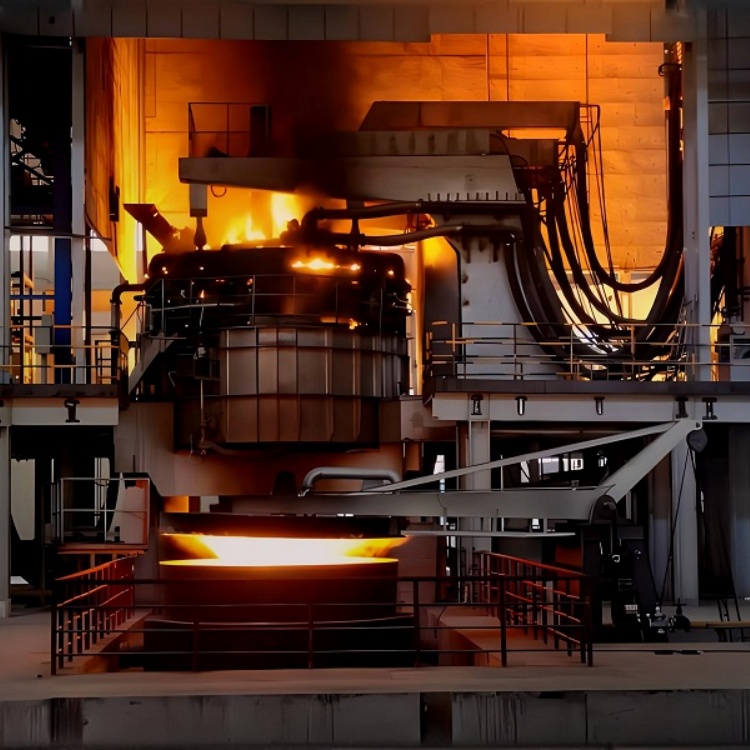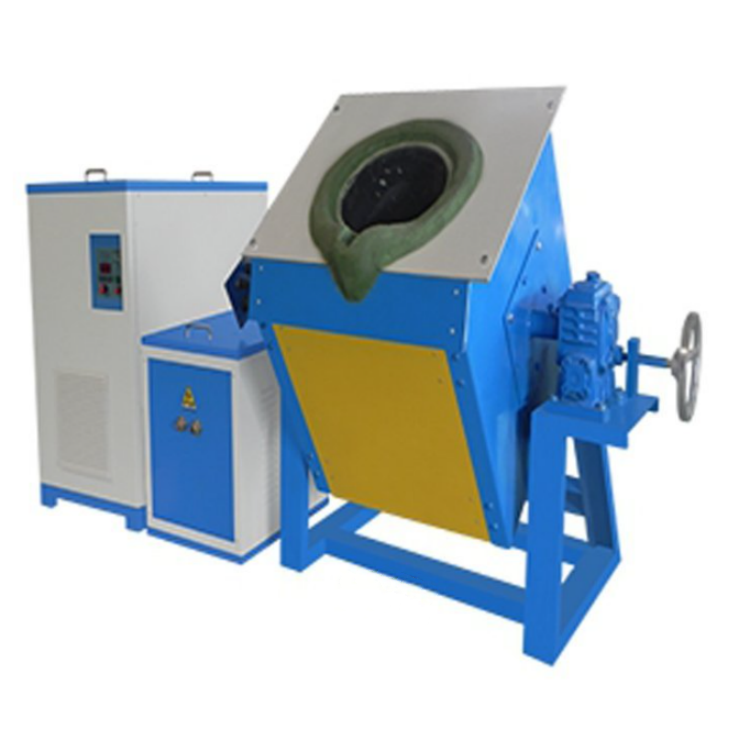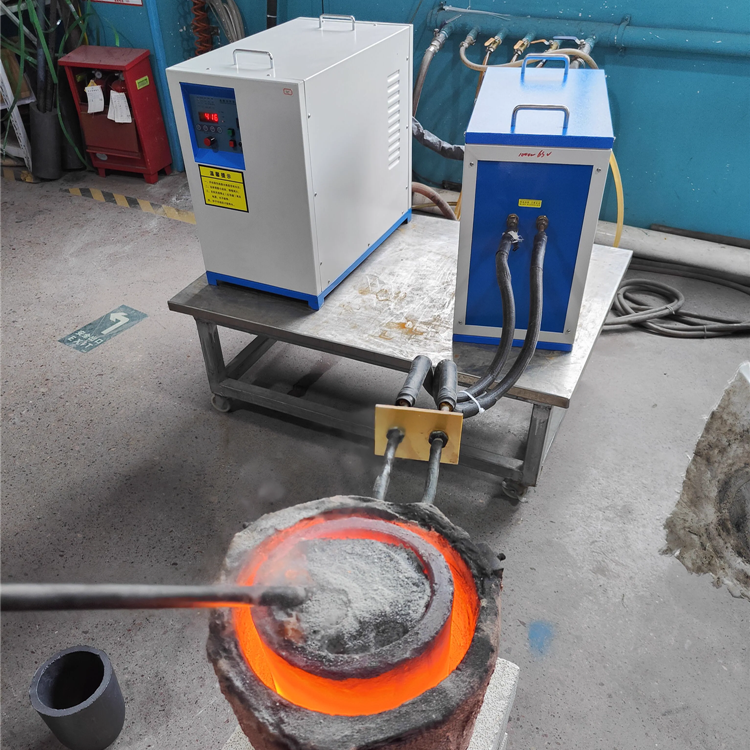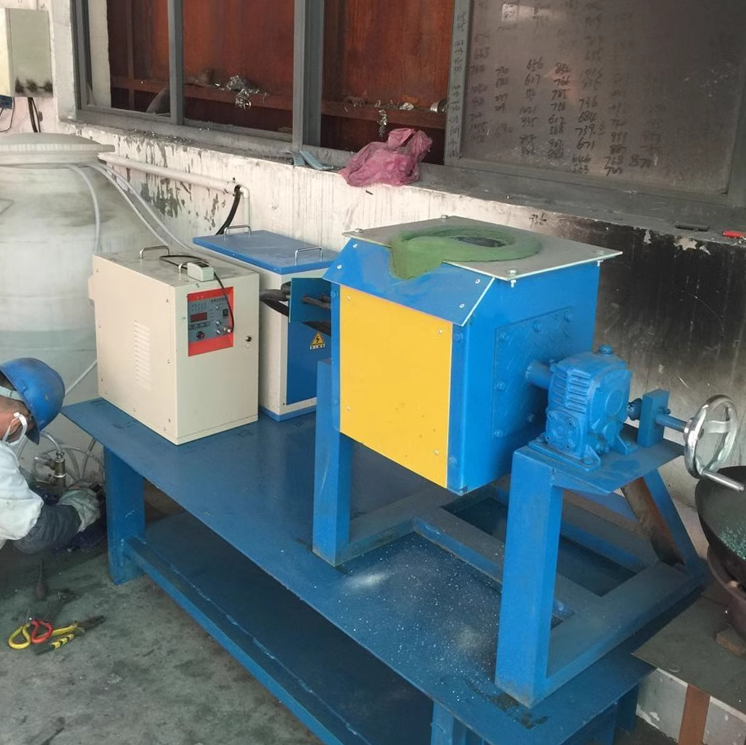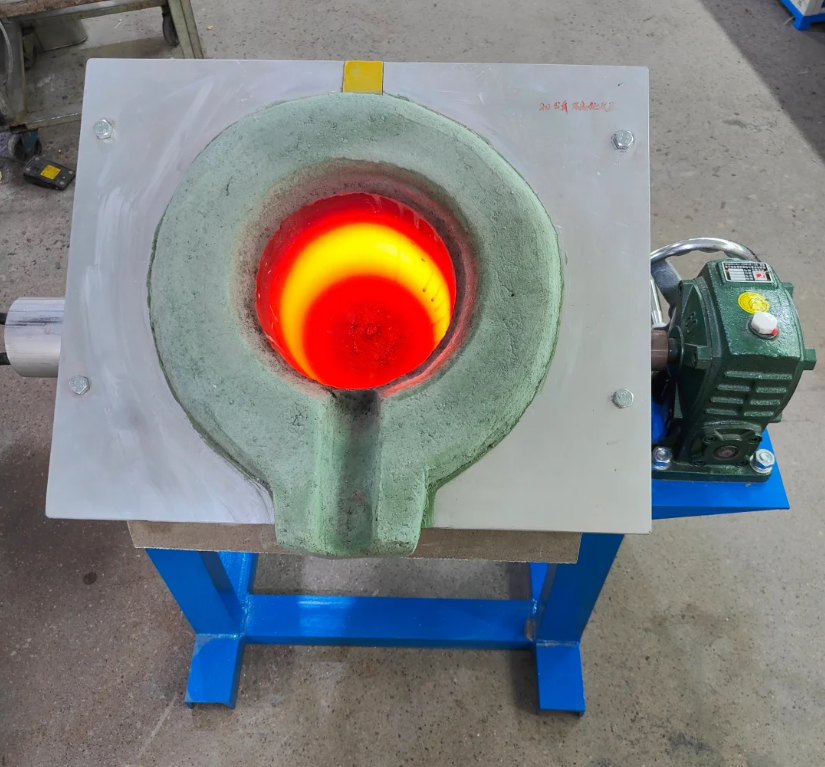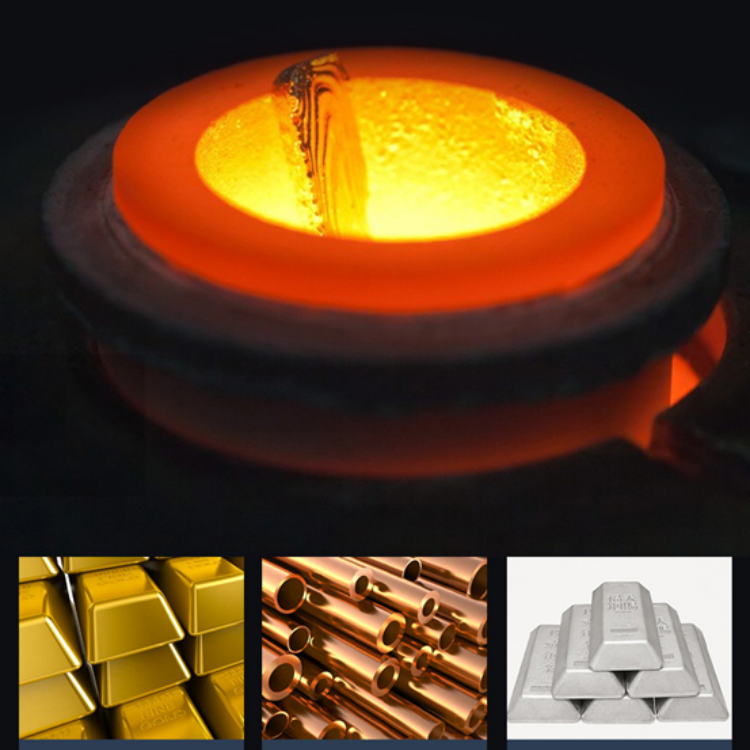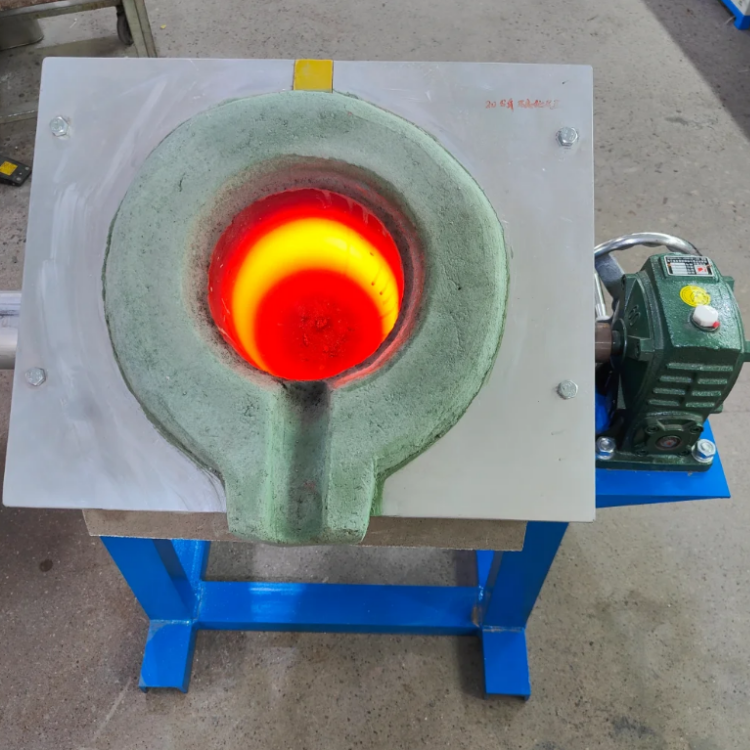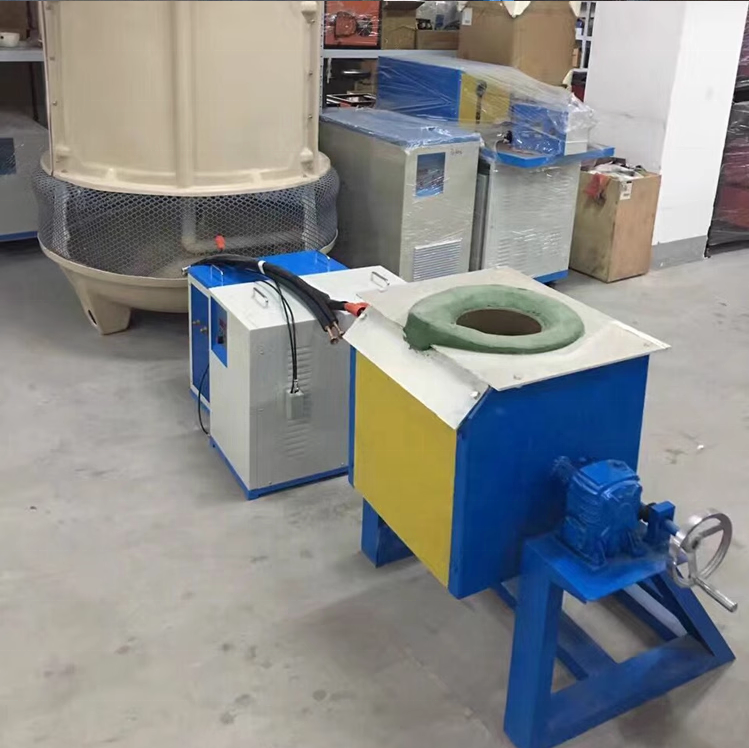
Small tiltable melting furnaces are compact melting devices with a tilting and pouring function, mainly used for melting and casting small batches of metals (especially low-melting-point non-ferrous metals such as aluminum, zinc, lead, tin, and their alloys). They are widely applied in scenarios such as laboratories, small processing plants, handicraft production, and repair welding. With a compact design and flexible operation, they balance melting efficiency and ease of use.
Core Features
Compact size and limited capacity
Usually, the furnace body is small, with a melting capacity ranging from a few kilograms to dozens of kilograms (e.g., 30kg, 50kg, 100kg, etc.). It is suitable for small-batch production or experimental melting and does not occupy much space.
Tiltable structure for easy casting
The furnace body can be tilted (with an adjustable tilt angle generally ranging from 0° to 90°) via a manual rocker, electric push rod, or hydraulic device. This allows the molten metal to be directly poured into the mold, eliminating the need for manual scooping and reducing losses and safety hazards.
Induction heating: Heating the metal itself through electromagnetic induction, featuring fast heating speed and low energy consumption, suitable for non-ferrous metals like aluminum and copper.
Precise temperature control
Equipped with a digital temperature controller and thermocouple, it can accurately control the melting temperature (usually 200-1200°C), preventing component changes or oxidation of metals due to overheating.
Safe and convenient operation
The furnace body is usually provided with a heat insulation layer (such as fire bricks, insulation cotton) to reduce surface temperature; some models are equipped with a pouring locking device to prevent accidental tilting; the operation interface is simple, and no complicated training is required to get started.
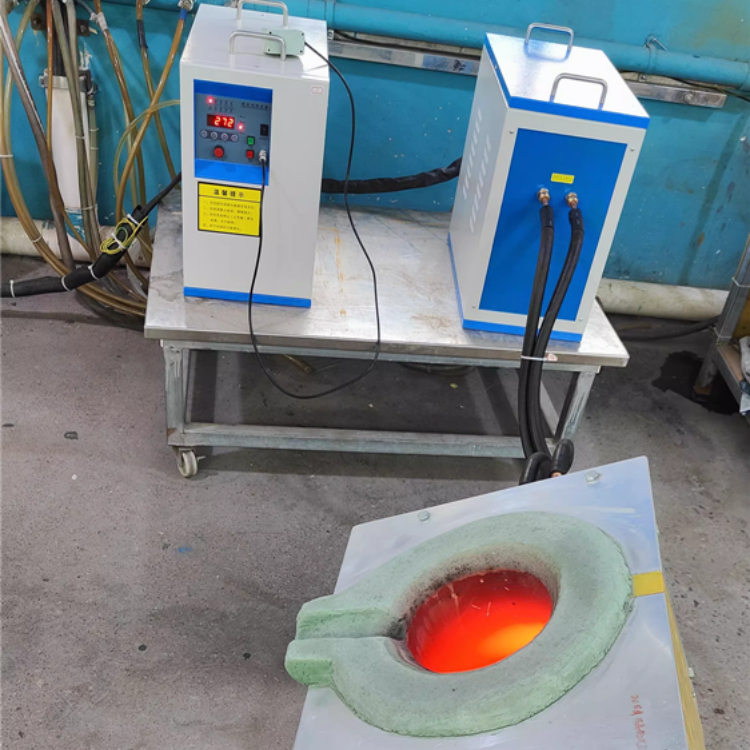
Typical Structural Composition
Furnace body: Composed of a furnace chamber (made of refractory materials to hold metal materials), heating elements (wound or embedded in the furnace chamber), and a heat insulation layer (to reduce heat loss).
Tilting mechanism: A manually or electrically driven tilting device connected to the furnace body and the frame to control the pouring angle.
Temperature control system: Including a temperature sensor (thermocouple), controller, and display screen, which monitor and adjust the heating temperature in real-time.
Frame and base: Support the furnace body, some with anti-slip designs to ensure stability during pouring.
Safety devices: Such as overheating protection (automatically power off when the temperature exceeds the standard), pouring limiters, etc.
Product Parameter